Table of Contents
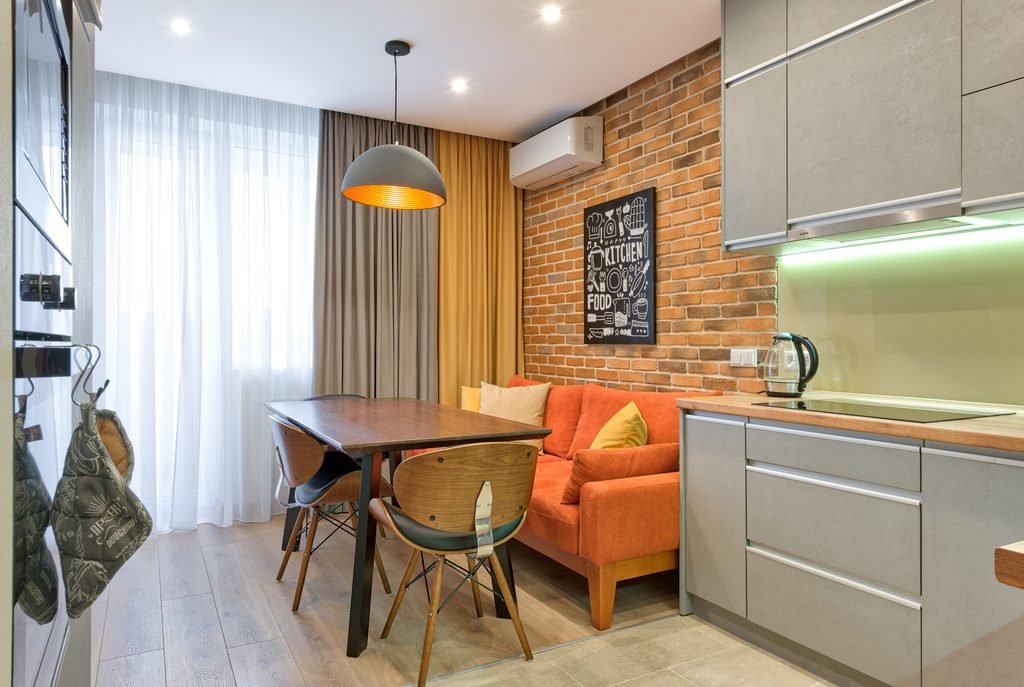
A small living room can be comfortable, stylish, and practical when every piece of furniture has a purpose. The secret is not simply buying smaller furniture or pushing everything against the walls. It is choosing an arrangement that suits your room, leaves comfortable walking space, and makes everyday activities easier.
These small living room furniture layout ideas will help you arrange your sofa, chairs, coffee table, TV, and storage without making your room feel crowded. Whether you live in an apartment, rent a compact home, or want to make better use of a small family living room, these ideas can help you create a welcoming space without a complete makeover.
Choosing the right small living room furniture layout ideas starts with understanding your room’s shape, available floor space, and daily needs. A smart furniture arrangement can make it easier to move around, relax with family, and keep your living room organised.
Small Living Room Furniture Layout Ideas for Comfortable Seating
The best small living room furniture layout ideas balance comfortable seating with enough room to walk. Choose a sofa that fits your space, add a compact coffee table, and avoid filling every corner with furniture. If you need extra seating, consider a lightweight accent chair or a storage ottoman.
1. Place the Sofa Against the Longest Wall
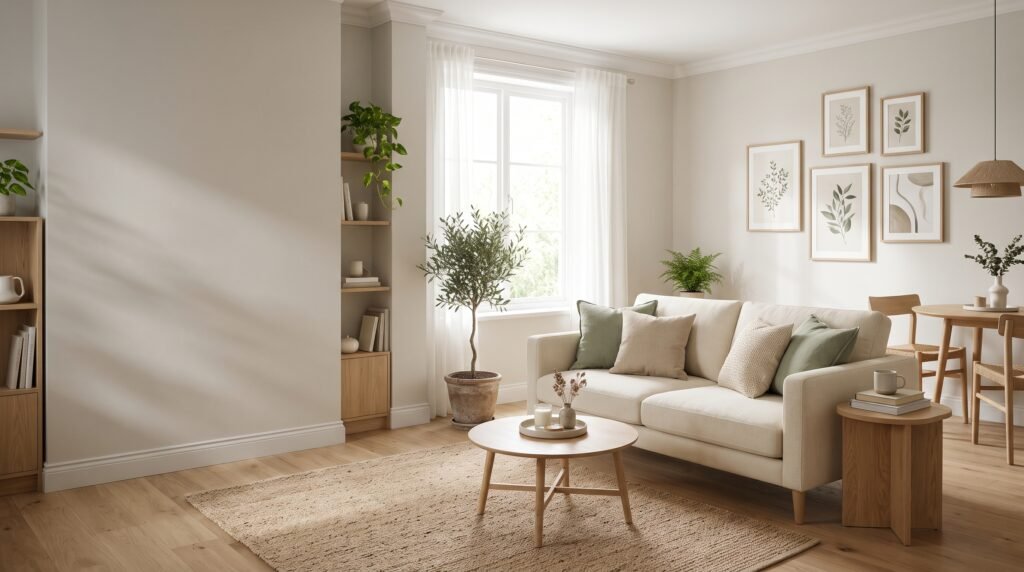
One of the easiest ways to arrange a small living room is to place the sofa along the longest uninterrupted wall. This often leaves more open floor space in the centre and creates a natural area for relaxing.
The right small living room furniture layout ideas can help you make better use of limited space. Arrange your sofa near a wall when practical, keep walking paths clear, and choose furniture that suits the size of your room. These simple changes can make a small living room feel more comfortable and organised.
2. Arrange Furniture Around a Focal Point
A focal point gives your furniture arrangement a clear direction. It might be a television, fireplace, large window, or favourite piece of artwork.
3. Try an L-Shaped Sofa in a Corner
An L-shaped sofa can make good use of a corner and provide generous seating without requiring several separate chairs.
4. Float the Sofa Away From the Wall
Pushing every piece of furniture against a wall is not always the best solution. In some rooms, moving the sofa slightly away from the wall creates a more intentional seating area.
5. Choose a Small Coffee Table or Ottoman
A coffee table gives you a place for drinks, books, remotes, and decorative accessories. A compact table or storage ottoman can help preserve walking space.
6. Keep the Main Walking Paths Open
A beautiful furniture arrangement will not feel comfortable if everyone has to squeeze between the sofa, coffee table, and doorway.
7. Use a Compact Layout for a Narrow Living Room
Long, narrow living rooms can be challenging because furniture placed across the width may interrupt movement. Aligning larger furniture along the longer walls can help preserve an open route.
8. Make Multifunctional Furniture Part of the Layout
If your living room doubles as a workspace, guest room, or play area, choose furniture that can adapt to different activities.
9. Use a Rug to Define the Seating Area
A rug can make a small living room feel more organised by visually connecting the sofa, chairs, and coffee table.
10. Use Lighting and Mirrors to Make the Room Feel Brighter
Furniture placement is only one part of a successful living room. Lighting, mirrors, and unobstructed windows can help create a brighter, more welcoming space.
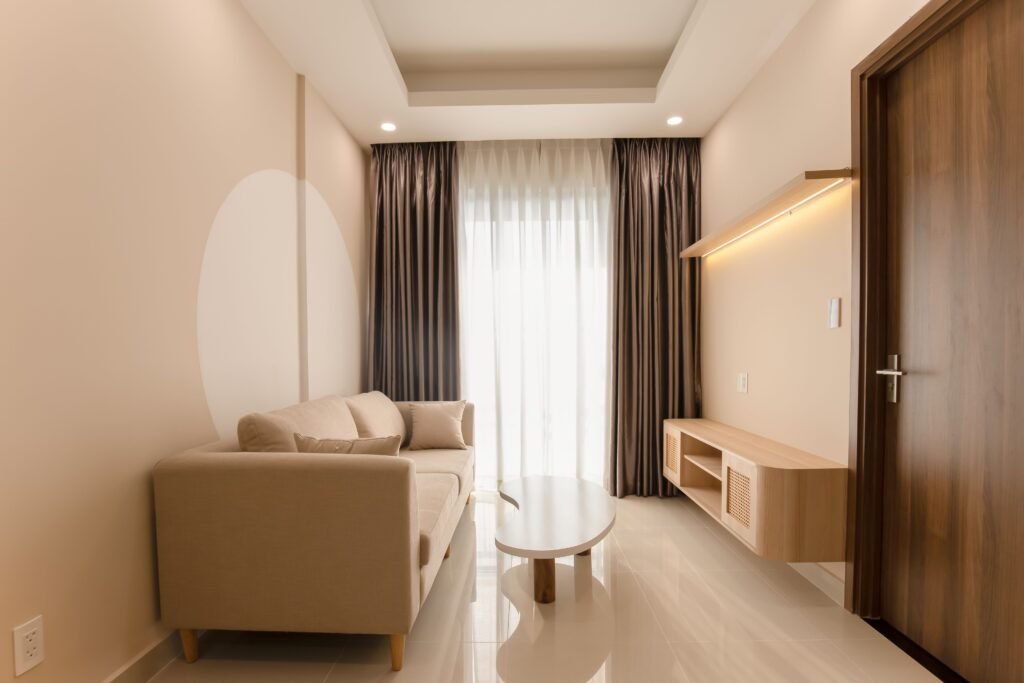
11. Best Curtain Ideas for Compact Small Living Rooms
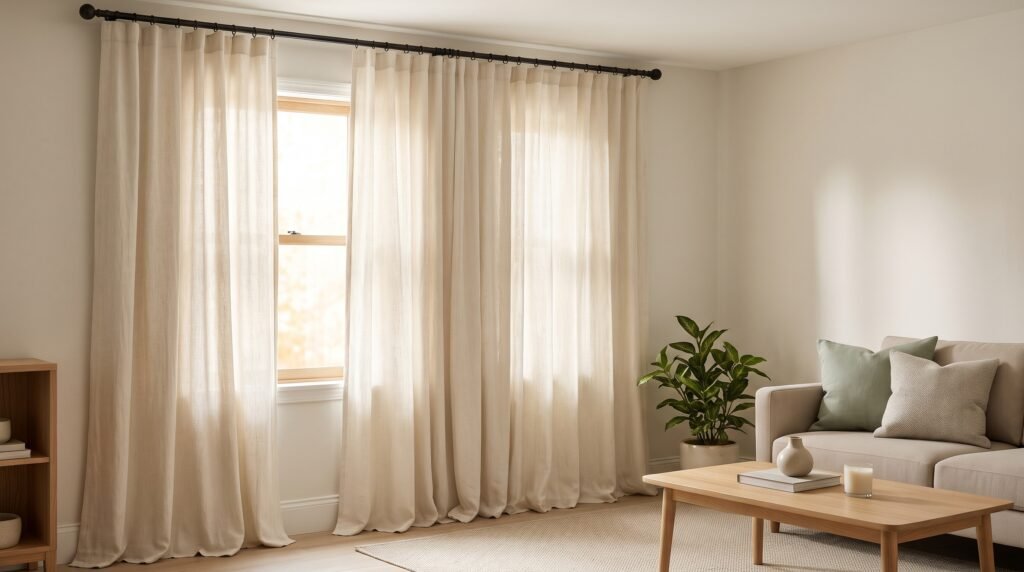
The right curtains can help a small living room feel brighter, more open, and more inviting. Choose light fabrics and colours that complement your furniture, and avoid heavy designs that make the space feel crowded. To explore more options, read our guide to best curtain ideas for small living rooms for practical window styling inspiration.
Small Living Room Furniture Layout Ideas for Different Room Shapes
The best small living room furniture layout ideas depend on your room’s shape, available floor space, and everyday needs.
- Small rectangular room: Place the sofa along the longest suitable wall to open up the centre.
- Square living room: Arrange the sofa and one or two chairs facing inward to encourage conversation.
- Narrow living room: Align larger furniture along the longer walls where practical.
- Studio apartment: Combine a compact sofa with multifunctional furniture.
- TV-focused room: Position the sofa opposite the television while keeping walkways clear.
- Room with a corner window: Choose a sofa arrangement that preserves access to the window.
Use these suggestions as starting points rather than strict rules. Your doors, windows, radiators, outlets, and existing furniture may influence which layout works best.
With these small living room furniture layout ideas, you can create a practical, welcoming space without buying a completely new set of furniture.
Common Small Living Room Layout Mistakes to Avoid
A few simple mistakes can make even a well-decorated room difficult to use.
- Buying furniture before measuring: Check room and furniture dimensions first.
- Adding too many small pieces: Choose furniture that serves a clear purpose.
- Blocking natural light: Keep windows as unobstructed as possible.
- Choosing an oversized coffee table: Leave enough room to move around comfortably.
- Ignoring how the room is used: Plan around your household’s everyday activities.
- Filling every empty corner: Preserve open space where it improves movement.
Frequently Asked Questions
How should I arrange furniture in a very small living room?
Start with the sofa, position it along a suitable wall, choose a compact coffee table or ottoman, and keep the main walking paths clear.
Should a sofa always go against the wall in a small living room?
No. Placing a sofa against a wall often saves space, but floating it slightly forward can create a more defined seating area when the room allows.
What is the best sofa shape for a small living room?
A compact straight sofa is versatile and often easy to position. An L-shaped sofa can work well in a suitable corner when you need additional seating.
Where should I put a coffee table in a small living room?
Place it within comfortable reach of the main seating while leaving enough room to walk past it. Round tables, nesting tables, and storage ottomans are useful alternatives.
How can I arrange a small living room with a TV?
Position the sofa opposite the TV where practical, and avoid blocking windows, doors, or main walkways.
How can I make a small living room look bigger without buying new furniture?
Rearrange existing furniture to open up the main walking route, remove unnecessary pieces, clear crowded surfaces, and let natural light reach further into the room.
Final Thoughts
The most effective small living room furniture layout ideas begin with the way you live, not with a shopping list. Start by measuring your room, identifying its main purpose, and placing the sofa where it leaves the most useful space for movement.
Then add a practical coffee table, flexible storage, suitable lighting, and a few personal touches. You may discover that rearranging the furniture you already own is enough to make your living room feel calmer, more comfortable, and easier to use.
A small living room can be comfortable, stylish, and practical when every piece of furniture has a purpose. The secret is not simply buying smaller furniture or pushing everything against the walls. It is choosing an arrangement that suits your room, leaves comfortable walking space, and makes everyday activities easier.
These small living room furniture layout ideas will help you arrange your sofa, chairs, coffee table, TV, and storage without making your room feel crowded. Whether you live in an apartment, rent a compact home, or want to make better use of a small family living room, you can create a welcoming space without a complete makeover.
1. Place the Sofa Against the Longest Wall
One of the easiest ways to arrange a small living room is to place the sofa along the longest uninterrupted wall. This often leaves more open floor space in the centre and creates a natural area for relaxing.
Choose a sofa that fits the wall without blocking doorways, windows, or radiators. A compact three-seat sofa or a comfortable loveseat may work better than a bulky design with oversized arms.
How to make this layout work:
- Place the sofa against the longest suitable wall.
- Position a coffee table or small ottoman in front of it.
- Add one lightweight accent chair if you have enough space.
- Keep the main route through the room clear.
- Use a floor lamp or wall light instead of adding several side tables.
This arrangement is especially useful for rectangular living rooms and small apartments where floor space needs to serve several purposes.
2. Arrange Furniture Around a Focal Point
A focal point gives your furniture arrangement a clear direction. It might be a television, fireplace, large window, or favourite piece of artwork.
Start by deciding which feature matters most to your household. Then arrange the main seating so people can comfortably see it without twisting around or blocking the walkway.
For a TV-centred layout, position the sofa opposite the screen and place additional seating at an angle if space allows. If your living room has a fireplace, arrange the sofa and chairs to encourage conversation while keeping access to the fireplace safe.
Avoid trying to make every wall a focal point. Too many competing features can make a compact room feel visually busy.
3. Try an L-Shaped Sofa in a Corner
An L-shaped sofa can make good use of a corner and provide generous seating without requiring several separate chairs.
However, not every sectional sofa suits a small room. Measure the full length, depth, and return of the sofa before buying one. Check that the chaise does not block a doorway, window access, or the natural route between rooms.
This layout works well when:
- Your household needs several comfortable seats.
- You prefer relaxing together rather than using separate chairs.
- The room has a suitable corner.
- You can still reach the sofa and move around the coffee table easily.
If a large sectional feels overwhelming, consider a compact corner sofa or a modular design that can be rearranged later.
4. Float the Sofa Away From the Wall
Pushing every piece of furniture against a wall is not always the best solution. In some rooms, moving the sofa slightly away from the wall creates a more intentional seating area.
Place a narrow console table behind the sofa if there is enough clearance, or use a rug to visually define the seating zone. You can also angle a small chair towards the sofa to create a more inviting conversation area.
This approach is most useful when the room has enough space for comfortable circulation. In a very narrow living room, keeping the sofa against the wall may be the more practical choice.
The goal is not to leave a large gap behind the sofa. It is to find an arrangement that feels balanced and makes the available space work harder.
5. Choose a Small Coffee Table or Ottoman
A coffee table gives you a place for drinks, books, remotes, and decorative accessories. But an oversized table can make it difficult to walk between the sofa and other furniture.
Consider these alternatives:
- Round coffee table: Softens the arrangement and avoids sharp corners.
- Nesting tables: Allow you to bring out extra surfaces when needed.
- Storage ottoman: Provides a footrest, extra seating, and hidden storage.
- Slim rectangular table: Works well in front of a longer sofa.
- Small side table: Offers a useful surface without occupying the centre of the room.
Before choosing a table, test the available space with temporary objects or a paper template. Make sure you can sit down, stand up, and reach the table comfortably.
A flexible piece of furniture is often more useful than a large decorative table that restricts movement.
6. Keep the Main Walking Paths Open
A beautiful furniture arrangement will not feel comfortable if everyone has to squeeze between the sofa, coffee table, and doorway.
When planning your layout, identify the main paths people use to enter the room, reach the sofa, access the window, and move to other parts of the home.
Measure the space before purchasing furniture, and use painter’s tape to mark the proposed furniture footprints on the floor. Walk through the arrangement to check whether doors open fully and seating can be used comfortably.
Pay attention to:
- Entryways and frequently used doors.
- The route between the sofa and other seating.
- Access to windows and curtains.
- Space around extendable tables or recliners.
- The position of cables and electrical outlets.
There is no single clearance measurement that works for every room. The best arrangement depends on your furniture dimensions, household needs, and the way you use the space.
7. Use a Compact Layout for a Narrow Living Room
Long, narrow living rooms can be challenging because furniture placed across the width may interrupt movement.
Instead, think about the room as a sequence of functional areas. Keep the larger furniture pieces aligned along the longer walls where practical, and use slim side tables or narrow storage units to avoid crowding the centre.
For example, you could place a sofa along one long wall, a wall-mounted TV opposite it, and a small round table near the seating area. If the room also needs a desk or dining space, position that zone towards one end without blocking the main route.
Avoid adding a large armchair simply because there is an empty corner. Empty space can be useful when it improves movement and makes the room feel less cluttered.
8. Make Multifunctional Furniture Part of the Layout
If your living room doubles as a workspace, guest room, or play area, choose furniture that can adapt to different activities.
Useful options include:
- A storage ottoman for blankets, toys, or spare cushions.
- A sofa bed for occasional overnight guests.
- A nesting table set for flexible entertaining.
- A narrow bookcase that uses vertical space.
- A foldable desk or compact work table.
- A storage bench that can provide extra seating.
The best multifunctional furniture solves a real problem. For example, a sofa bed may be useful in a studio apartment, while a storage ottoman might be more valuable in a family living room with limited cupboard space.
For more inspiration, explore IKEA’s guide to maximising space in a small living room, which covers flexible furniture, storage, and lighting.
9. Use a Rug to Define the Seating Area
A rug can make a small living room feel more organised by visually connecting the sofa, chairs, and coffee table.
Choose a size that relates to your furniture rather than selecting the smallest rug available. If possible, position the rug so the front legs of the main seating pieces rest on it. This can help the arrangement feel connected instead of scattered.
A rug that is too small may make the furniture appear disconnected. On the other hand, a rug that is too large for the room can interfere with doors or other floor-level features.
For a calm look, choose a simple pattern or a colour that works with your existing sofa and walls. You do not need to replace all your furnishings to create a coordinated space.
10. Use Lighting and Mirrors to Make the Room Feel Brighter
Furniture placement is only one part of a successful living room. Lighting also affects how comfortable and open the space feels.
Keep windows as unobstructed as possible, and use curtains that can be drawn back easily. Add a floor lamp beside the sofa, a table lamp on a side table, or wall lighting where floor space is limited.
A mirror placed where it can reflect daylight may help the room feel brighter. Avoid placing it where it creates unwanted glare from the television or reflects a cluttered area.
You can also use a light, coordinated colour palette for larger furniture pieces and add personality with cushions, throws, artwork, and plants.
For more ideas, browse Architectural Digest’s small living room decorating guide.
How to Choose the Best Furniture Layout for Your Room
The right arrangement depends on the shape of your room and what you need it to do.
| Living room type | Layout to try | Main benefit |
|---|---|---|
| Small rectangular room | Sofa along the longest wall | Opens up the centre |
| Square living room | Sofa with one or two chairs facing inward | Encourages conversation |
| Narrow living room | Furniture aligned along the longer walls | Helps preserve movement |
| Studio apartment | Compact sofa with multifunctional furniture | Supports several activities |
| TV-focused room | Sofa facing the TV with flexible extra seating | Creates a clear focal point |
| Room with a corner window | Corner sofa or sofa positioned to preserve window access | Makes better use of the available wall space |
Use these suggestions as starting points rather than strict rules. Your doors, windows, radiators, outlets, and existing furniture may influence which layout works best.
Common Small Living Room Layout Mistakes to Avoid
A few simple mistakes can make even a well-decorated room difficult to use.
Buying furniture before measuring: Check the room and the furniture dimensions first. Remember to account for doorways, delivery access, and the space needed to use drawers or recliners.
Adding too many small pieces: Several tiny tables, stools, and chairs can create more visual clutter than a few well-chosen items.
Blocking natural light: Avoid placing tall furniture directly in front of a window when another position is available.
Choosing a coffee table that is too large: A table should support everyday activities without making the seating area difficult to navigate.
Ignoring how the room is used: A layout designed only for watching television may not work for reading, entertaining, working, or playing with children.
Filling every empty corner: Open space is not wasted space if it improves comfort and movement.
Frequently Asked Questions
How should I arrange furniture in a very small living room?
Start with the largest item, usually the sofa. Position it along a suitable wall, choose a compact coffee table or ottoman, and keep the main walking paths clear. Add extra seating only if you can still move around comfortably.
Should a sofa always go against the wall in a small living room?
No. Placing a sofa against a wall often saves space, but floating it slightly forward can create a more defined seating area in some rooms. Choose the arrangement that provides the best balance of movement, comfort, and available floor space.
What is the best sofa shape for a small living room?
A compact straight sofa is versatile and often easy to position. An L-shaped sofa can work well in a suitable corner when you need additional seating. Measure both the room and the full sofa dimensions before deciding.
Where should I put a coffee table in a small living room?
Place it within comfortable reach of the main seating while leaving enough room to walk past it and sit down easily. Round tables, nesting tables, and storage ottomans can be useful alternatives when space is limited.
How can I arrange a small living room with a TV?
Position the sofa opposite the TV where practical, and avoid blocking windows, doors, or main walkways. Use a slim media unit or wall-mounted TV if suitable for your home, and add flexible seating only when space allows.
How can I make a small living room look bigger without buying new furniture?
Rearrange existing furniture to open up the main walking route, remove unnecessary pieces, clear crowded surfaces, and let natural light reach further into the room. You can also reposition a mirror, simplify accessories, and use a rug to define the seating area.
Final Thoughts
The most effective small living room furniture layout ideas begin with the way you live, not with a shopping list. Start by measuring your room, identifying its main purpose, and placing the sofa where it leaves the most useful space for movement.
Then add a practical coffee table, flexible storage, suitable lighting, and a few personal touches. You may discover that rearranging the furniture you already own is enough to make your living room feel calmer, more comfortable, and easier to use.