Table of Contents
Not every room gets plenty of natural sunlight, but that does not mean you cannot enjoy beautiful indoor plants. The best indoor plants for low-light rooms can add greenery, colour, and natural beauty to bedrooms, living rooms, hallways, and other indoor spaces where sunlight is limited.
Whether you live in a small apartment or want to brighten up a darker corner, choosing the right plant can make indoor gardening easier. Many low-light houseplants are easy to care for and suit different home decor styles.
The best indoor plants for low-light rooms include snake plants, ZZ plants, pothos, peace lilies, and several other attractive varieties. However, low light does not mean no light. Every plant needs some light to survive, and most grow better when placed near a window or in a room with indirect natural light.
In this guide, you will discover 11 beautiful indoor plants for low-light spaces, along with simple care tips to help you choose the right plants for your home.
What Are the Best Indoor Plants for Low-Light Rooms?
Some of the best indoor plants for low-light rooms are snake plants, ZZ plants, pothos, heartleaf philodendrons, and cast iron plants. These varieties can tolerate lower light levels than many sun-loving houseplants.
Your choice depends on your room’s lighting, available space, and how much time you want to spend caring for your plants. Before choosing a plant, remember that a dim room is different from a completely dark room. Plants need a suitable source of light to stay healthy.
1. Snake Plant
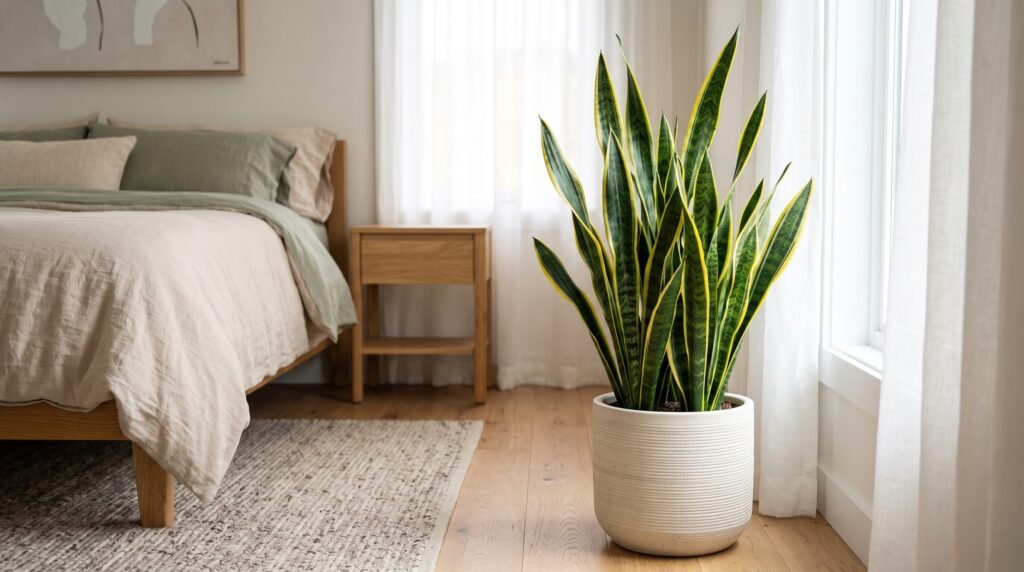
Snake plants are among the most popular indoor plants because of their upright leaves and simple care requirements. Their tall, sword-shaped foliage adds height and structure to a living room, bedroom, or home office.
Why Choose a Snake Plant?
- Tolerates low light and indirect sunlight.
- Requires relatively little watering.
- Fits neatly into small corners.
- Complements modern and minimalist interiors.
Care tip: Allow the soil to dry out between waterings. Use a pot with drainage holes to reduce the risk of root rot.
Best placement: Put your snake plant in a corner that receives some indirect daylight.
Pet safety: Snake plants are toxic to cats and dogs if chewed.
2. ZZ Plant
The ZZ plant is a useful choice for beginners who want an attractive plant without a demanding care routine. Its glossy green leaves and upright stems look beautiful in decorative pots.
Why Choose a ZZ Plant?
- Tolerates low-light conditions.
- Stores water in underground rhizomes.
- Needs relatively little attention.
- Works well on side tables and plant stands.
Care tip: Let the potting mix dry between waterings. Too much water can damage the roots.
Best placement: Place it in a room with indirect light, away from harsh direct sunlight.
Pet safety: ZZ plants are toxic if chewed by pets.
3. Pothos
Pothos is a trailing houseplant with attractive green leaves. Some varieties have yellow or cream patterns that add extra interest to your indoor decor.
Why Choose Pothos?
- Adapts to different indoor lighting conditions.
- Looks attractive in hanging baskets.
- Adds greenery to shelves and bookcases.
- Is generally easy to maintain.
Care tip: Water when the upper layer of soil begins to dry. Variegated varieties may lose some of their leaf patterns in very low light.
Best placement: Let the stems trail from a shelf or place the plant in a hanging planter.
Pet safety: Pothos is toxic to cats and dogs if chewed.
4. Heartleaf Philodendron
Heartleaf philodendron has soft, heart-shaped leaves and long trailing stems. Its simple green foliage makes it a versatile choice for different home decorating styles.
Why Choose a Heartleaf Philodendron?
- Tolerates lower light better than many sun-loving plants.
- Looks beautiful on shelves and cabinets.
- Has a graceful trailing growth habit.
- Suits beginner plant owners.
Care tip: Water when the top layer of soil starts to dry. Avoid leaving the roots in waterlogged soil.
Best placement: Place it on a shelf where the stems can hang naturally.
Pet safety: This plant is toxic to cats and dogs if ingested.
5. Peace Lily
Peace lilies have dark green leaves and distinctive white flower-like spathes. They can create a calm, elegant look in a bedroom or living room.
Why Choose a Peace Lily?
- Tolerates lower light conditions.
- Has attractive foliage.
- Can produce white blooms when growing conditions are suitable.
- Works well in decorative floor pots.
Care tip: Keep the soil lightly moist but not waterlogged. Very low light can reduce flowering, so do not expect regular blooms in a dark room.
Best placement: Choose a spot with indirect daylight rather than strong direct sunlight.
Pet safety: Peace lilies can irritate the mouth and digestive tract of cats and dogs if chewed.
6. Cast Iron Plant
The cast iron plant is known for tolerating lower light and a range of indoor conditions. Its long, dark green leaves create a simple, natural appearance.
Why Choose a Cast Iron Plant?
- Tolerates low light.
- Grows relatively slowly.
- Does not need constant attention.
- Looks attractive in floor pots.
Care tip: Water when the soil has partly dried. Make sure excess water can drain away.
Best placement: Use it beside furniture or in a corner that receives indirect light.
7. Chinese Evergreen
Chinese evergreen plants have broad, decorative leaves and come in a range of green patterns. Some varieties also feature silver, pink, or red markings.
Why Choose a Chinese Evergreen?
- Many varieties tolerate low to moderate indoor light.
- Adds colour and texture to a room.
- Works well on plant stands and side tables.
- Offers different foliage patterns to suit your decor.
Care tip: Allow the upper layer of soil to dry before watering. Some colourful varieties need brighter indirect light to maintain their patterns.
Best placement: Choose a spot with filtered natural light rather than a completely dark corner.
Pet safety: Chinese evergreen is toxic if chewed by pets.
8. Parlor Palm
Parlor palms have delicate, arching fronds that can make a room feel softer and more inviting. Their compact growth makes them useful for smaller homes and apartments.
Why Choose a Parlor Palm?
- Tolerates lower indoor light.
- Creates a gentle tropical look.
- Works well in bedrooms and living rooms.
- Is considered non-toxic to cats and dogs.
Care tip: Water when the top layer of soil begins to dry. Avoid allowing the pot to sit in excess water.
Best placement: Try it beside a sofa, near a desk, or in a decorative planter.
9. Dracaena
Dracaena plants come in different shapes, sizes, and leaf patterns. Some varieties grow tall, making them suitable for empty corners that need a little greenery.
Why Choose Dracaena?
- Many varieties tolerate moderate to low indoor light.
- Adds height to a room.
- Works with contemporary and minimalist decor.
- Offers several foliage styles.
Care tip: Water according to the plant’s soil moisture and growing conditions. Avoid keeping the roots constantly wet.
Best placement: Use a taller variety beside a sofa or in an open corner with indirect light.
Pet safety: Many common dracaena varieties are toxic to cats and dogs.
10. Spider Plant
Spider plants have arching leaves, often with white stripes. Mature plants can produce small plantlets that hang from long stems, making them especially attractive in hanging baskets.
Why Choose a Spider Plant?
- Can be propagated from its plantlets.
- Adds texture and movement to indoor spaces.
- Works well on shelves and in hanging planters.
- Is considered non-toxic to cats and dogs.
Care tip: Spider plants generally grow best in moderate to bright indirect light. They tolerate some lower light, but growth may slow down.
Best placement: Place it near a window with filtered daylight.
11. Lucky Bamboo
Lucky bamboo is often grown in water or in a suitable potting mix. Its upright stems make it a compact decorative option for desks, side tables, and small rooms.
Why Choose Lucky Bamboo?
- Has a simple, decorative appearance.
- Fits small spaces.
- Tolerates some lower-light conditions.
- Works well with minimalist home decor.
Care tip: If growing it in water, keep the roots submerged and change the water regularly. If growing it in soil, avoid waterlogging.
Best placement: Put it on a desk or side table where it receives indirect natural light.
Pet safety: Lucky bamboo is a Dracaena species and is toxic to cats and dogs if chewed.
How to Care for Indoor Plants in Low-Light Rooms
Choosing suitable plants is only the first step. A few simple habits can help keep your indoor greenery healthy.
1. Provide Some Natural Light
Low-light plants can tolerate less sunlight, but they still need light. Place them near a window with indirect daylight whenever possible.
If your room has no windows, consider an appropriate grow light instead of expecting a plant to survive indefinitely in complete darkness.
2. Avoid Overwatering
Plants often use water more slowly in low-light conditions because their growth may slow down. Check the soil before watering rather than following a strict daily schedule.
3. Choose Pots With Drainage Holes
Drainage holes allow excess water to escape and help reduce the risk of root rot. If you use a decorative outer pot, empty any collected water after watering.
4. Clean the Leaves
Dust can collect on indoor plant leaves. Gently wipe broad leaves with a soft, damp cloth when needed to keep them clean.
5. Watch for Signs of Poor Light
If a plant becomes leggy, loses its usual leaf pattern, or produces little new growth, it may need a brighter location. Move it gradually toward better indirect light and observe how it responds.
6. Check Plant Safety Around Pets
Not all popular houseplants are pet-friendly. Research the exact species before bringing a plant home if you have cats or dogs. Choose non-toxic options where possible and keep harmful plants out of reach.
Benefits of the Best Indoor Plants for Low-Light Rooms
The best indoor plants for low-light rooms help bring greenery into spaces that do not receive strong sunlight. They can complement your furniture, soften empty corners, and make shelves or side tables look more inviting. Choose plants according to your room’s lighting and available space.
Best Indoor Plants for Low-Light Rooms in Bedrooms
When choosing the best indoor plants for low-light rooms in a bedroom, consider the snake plant, ZZ plant, or parlor palm. Place your plant where it receives some indirect daylight, and choose a pot that suits your bedroom decor.
For more plant options and care tips, explore our guide to 11 Best Indoor Plants for Low-Light Rooms.
Best Indoor Plants for Low-Light Rooms in Small Apartments
The best indoor plants for low-light rooms in small apartments should fit your available space. Pothos can trail from a shelf, while a compact ZZ plant can sit on a side table. Avoid overcrowding the room, and make sure each plant receives enough light.
Common Mistakes When Growing Low-Light Houseplants
Even the best indoor plants for low-light rooms can struggle if they receive no light or too much water. Check the soil before watering, use pots with drainage holes, and move plants to a brighter spot if their growth becomes weak.
Final Tips for Choosing Indoor Plants
Before buying the best indoor plants for low-light rooms, assess the natural light in your space and consider how much care you can provide. Select a suitable plant, use well-draining soil, and monitor its growth to keep your indoor greenery looking healthy.
How to Choose the Best Indoor Plants for Low-Light Rooms
The best indoor plants for low-light rooms depend on your available space, lighting conditions, and plant care routine.
- For beginners: Consider a snake plant or ZZ plant.
- For shelves and hanging planters: Choose pothos or heartleaf philodendron.
- For a leafy floor plant: Consider a cast iron plant or a suitable dracaena.
- For a small desk: Lucky bamboo can be a compact decorative choice.
- For homes with pets: Consider a parlor palm or spider plant and confirm the species before buying.
Think about the amount of daylight your room receives throughout the day. A room that looks dark to you may still receive useful indirect light, while a windowless room will usually need artificial lighting for plants to grow well.For more information about growing houseplants in low-light conditions, read Penn State Extension’s guide to low-light houseplants.
Frequently Asked Questions
What are the best indoor plants for low-light rooms?
Snake plants, ZZ plants, pothos, cast iron plants, and parlor palms are popular options for rooms with limited natural light. Each has different care needs, so choose one that suits your space.
Can indoor plants survive in a room without windows?
Most ordinary houseplants cannot survive indefinitely in complete darkness. An appropriate grow light can provide the light needed for healthy growth.
Which indoor plants need the least sunlight?
ZZ plants, snake plants, cast iron plants, and parlor palms tolerate lower indoor light than many sun-loving plants. However, they still need some light to survive.
How often should I water indoor plants in low light?
There is no single watering schedule for every plant. Check the soil moisture, plant type, pot size, and room conditions before watering. Plants in lower light often need water less frequently.
Are low-light indoor plants safe for pets?
Not all low-light plants are safe for pets. Parlor palms and spider plants are generally considered non-toxic to cats and dogs. Snake plants, pothos, ZZ plants, and peace lilies can be harmful if chewed or ingested.
Final Thoughts
The best indoor plants for low-light rooms can bring greenery, texture, and natural beauty into your home without requiring a sunny windowsill for every pot. Snake plants, ZZ plants, pothos, cast iron plants, and parlor palms are useful options to consider.
Choose a plant that suits your room’s actual light conditions, water it according to its needs, and avoid placing it in complete darkness. With the right choice and simple care, even a dim corner can become a more inviting part of your home.
If you want more ideas for decorating your home with greenery, explore our guide to indoor plants for Pakistani homes.